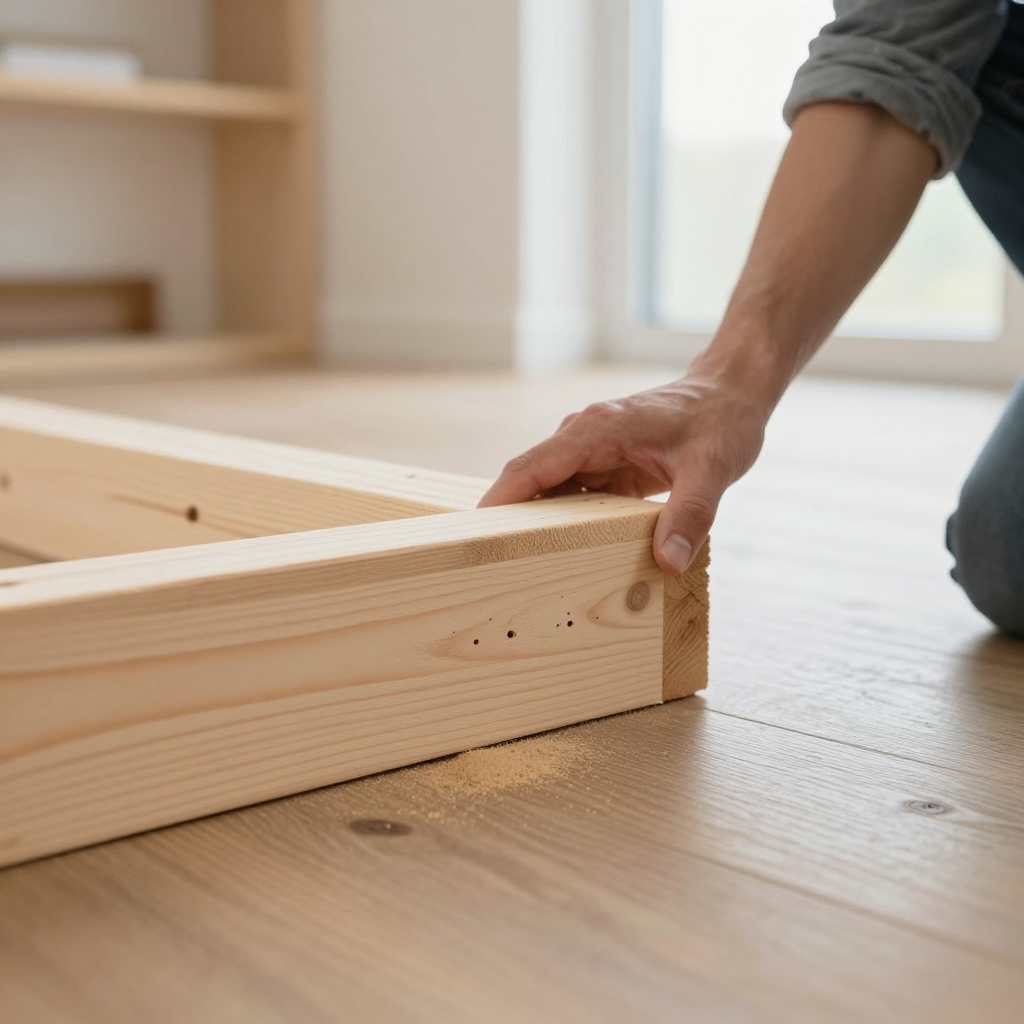
Woodworm infestation is a common concern for homeowners with wooden furniture, flooring, roof beams, and structural timber. Because woodworm larvae tunnel inside wood, damage often develops quietly and may remain unnoticed for months or even years. By the time tiny holes or weakened timber become visible, many homeowners begin asking an important question: Is woodworm damage reversible?
The answer is: sometimes — but it depends on how severe the damage is and how early the infestation is treated. In many cases, minor or moderate woodworm damage can be repaired or stabilized, while severe structural damage may require reinforcement or replacement.
The good news is that early treatment greatly improves the chance of saving timber and preventing long-term damage.
Many homeowners researching timber care through shashel.eu/ understand that fast action and routine inspection are key to protecting wood from serious infestation.
In this guide, we will explain whether woodworm damage is reversible and how homeowners can improve the chances of saving affected timber.
What Is Woodworm Damage?
Before understanding repair options:
It helps to understand how woodworm causes damage.
The Truth About Woodworm
Woodworm is not actually a worm
It refers to:
- The larvae of wood-boring beetles
After hatching:
- Larvae tunnel inside timber
This feeding activity may weaken:
- Furniture
- Floorboards
- Roof beams
Because activity stays hidden:
Damage often spreads quietly
Early detection matters.
Mild Woodworm Damage Can Often Be Repaired
In many situations:
Yes, minor woodworm damage may be reversible
Why This Happens
If timber remains:
- Structurally stable
Small damage may often be:
- Repaired
- Reinforced
Common Minor Issues Include
- Small holes
- Surface weakening
Fast treatment improves outcomes.
Healthy timber lasts longer.
Many homeowners exploring timber care through shashel.eu understand that early treatment often helps preserve wood.
Moderate Damage May Be Stabilized
Some wood may already show signs of weakness.
Common Signs Include
- Loose joints
- Weak timber
- Surface crumbling
Why Early Repairs Matter
Timber may sometimes be:
- Reinforced
instead of replaced.
Balanced repair matters.
Healthy wood deserves protection.
Severe Damage May Not Be Fully Reversible
Unfortunately:
Some damage becomes too advanced.
High-Risk Structural Areas Include
- Roof beams
- Floor supports
- Ceiling joists
Why This Matters
If timber becomes:
- Structurally unsafe
Replacement may sometimes be necessary.
Fast action helps reduce this risk.
Prevention saves money.
First Stop the Active Infestation
Before repairing damage:
The infestation must be treated
Why This Matters
Repairs will not last if:
- Beetles continue laying eggs
Modern Treatment Options Include
- Heat treatment
- Microwave treatment
These methods may help target:
- Hidden larvae
- Eggs
inside timber.
Professional assessment improves outcomes.
Inspect the Wood Carefully
Understanding severity matters.
Common Warning Signs Include
Look for:
- Tiny holes in wood
- Powdery dust (frass)
- Weak timber
- Cracks
Why Inspection Matters
It helps determine:
- Whether repair is possible
Routine inspections improve prevention.
Many homeowners researching timber care through shashel.eu understand that small warning signs deserve immediate attention.
Moisture Control Improves Recovery
Moisture often increases infestation risk.
Why Dampness Matters
Woodworm commonly prefers timber that becomes:
- Damp
- Soft
Helpful Prevention Tips
Fix:
- Roof leaks
- Pipe leaks
Improve:
- Ventilation
Dry timber naturally lasts longer.
Healthy homes stay drier.
Furniture Often Has Better Recovery Potential
Furniture can often be saved.
Common Furniture at Risk Includes
- Cabinets
- Tables
- Bookshelves
Why Furniture May Be Easier to Restore
Smaller damage may sometimes be:
- Repaired
Routine care improves lifespan.
Healthy furniture matters.
Prevention Helps Avoid Future Damage
Protecting timber matters.
Helpful Prevention Habits Include
- Regular inspections
- Moisture control
- Better ventilation
Why Prevention Works
Healthy timber discourages:
- Future infestation
Consistency protects wood.
Common Mistakes Homeowners Make
Waiting Too Long
Damage spreads quietly.
Ignoring Tiny Holes
Small signs often indicate deeper issues.
Ignoring Moisture
Damp timber attracts woodworm.
Repairing Before Treatment
Active infestation may continue.
Routine care improves protection.
Long-Term Benefits of Early Action
Fast treatment offers major advantages.
Benefits Include
- Better chance of saving timber
- Lower repair costs
- Improved structural safety
- Longer wood lifespan
Healthy wood protects the home.
Prevention saves money.
Conclusion
So, is woodworm damage reversible? In many cases, yes — minor and moderate woodworm damage can often be repaired or stabilized, especially when infestation is treated early. However, severe structural damage may require reinforcement or replacement if timber becomes unsafe.
The key to better recovery is early detection, moisture control, proper treatment, and routine inspections.
Many homeowners researching timber care through shashel.eu understand that protecting timber starts with fast action and preventive care.